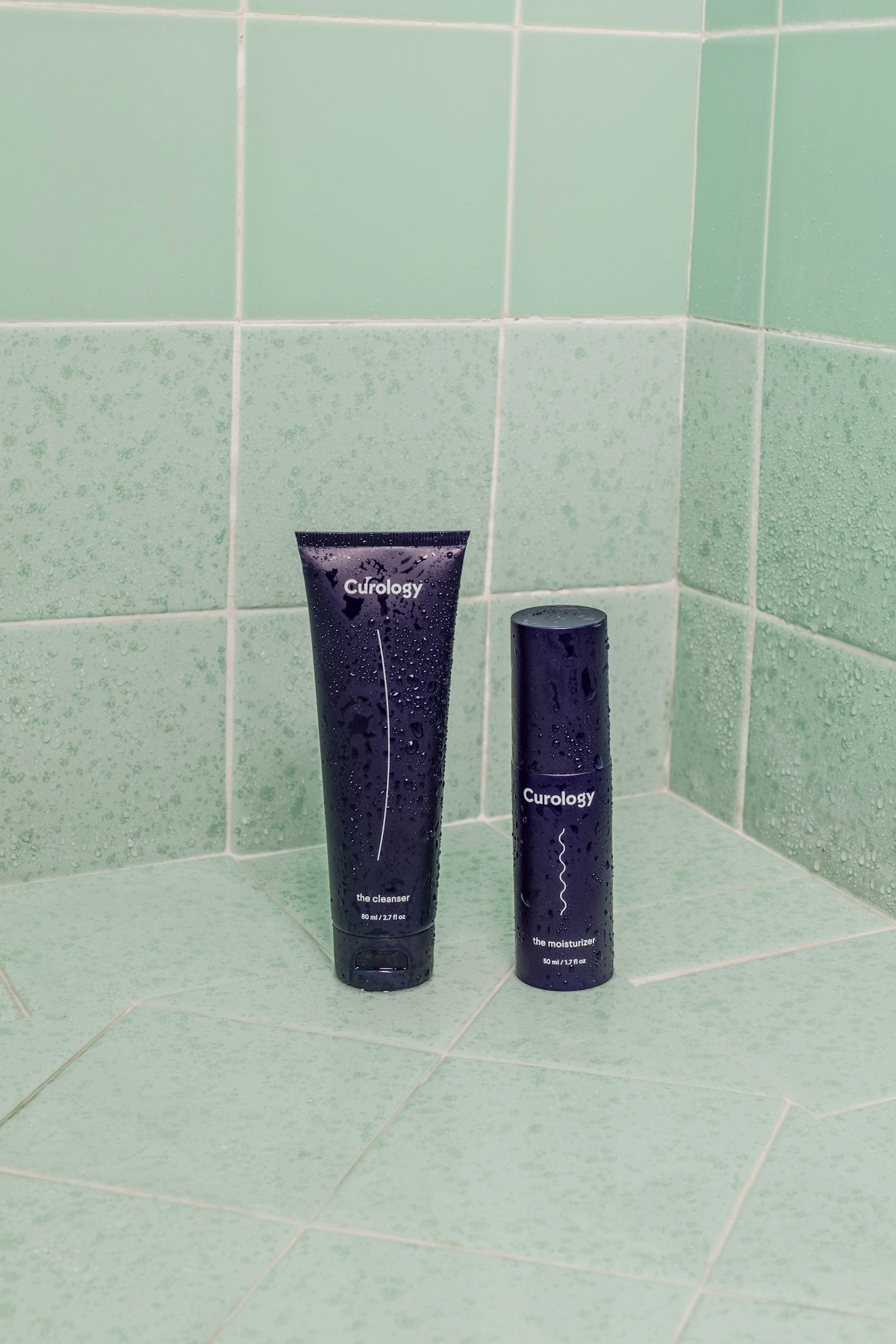
Beautiful skin isn't just about genetics or expensive products—it's largely about consistent, smart habits. We've gathered insights from board-certified dermatologists to share the practices that truly make a difference, regardless of your age or skin type.
The Non-Negotiables
Sunscreen Every Day
If dermatologists could give only one piece of advice, this would be it. UV exposure is responsible for up to 90% of visible skin aging, including wrinkles, dark spots, and loss of elasticity.
Key points:
- Use SPF 30 or higher daily, even on cloudy days
- Apply to all exposed skin, including neck, hands, and ears
- Reapply every 2 hours when outdoors
- Look for "broad spectrum" protection against both UVA and UVB rays
Gentle Cleansing
Over-cleansing strips your skin of its natural protective oils, leading to dryness, irritation, and paradoxically, more oil production. Most dermatologists recommend:
- Washing your face twice daily maximum
- Using lukewarm water (hot water is too harsh)
- Choosing a pH-balanced, fragrance-free cleanser
- Patting dry rather than rubbing
Ingredients That Actually Work
The skincare world is full of trendy ingredients, but these are the ones with decades of research behind them:
Retinoids
Derived from Vitamin A, retinoids are the gold standard for anti-aging. They increase cell turnover, boost collagen production, and can improve texture, tone, and fine lines. Start with a low concentration and use at night, as they increase sun sensitivity.
Vitamin C
A powerful antioxidant that protects against sun damage, brightens skin, and supports collagen production. Look for L-ascorbic acid in concentrations of 10-20% for best results. Store in a cool, dark place as it degrades with light exposure.
Hyaluronic Acid
This naturally occurring molecule holds 1,000 times its weight in water, making it an excellent hydrator for all skin types. It plumps skin and helps reduce the appearance of fine lines.
Niacinamide
Also known as Vitamin B3, niacinamide helps strengthen the skin barrier, reduce redness, minimize pores, and even out skin tone. It's gentle enough for sensitive skin and plays well with other ingredients.
Lifestyle Factors That Show on Your Skin
Sleep
There's a reason it's called "beauty sleep." During deep sleep, your body increases blood flow to the skin, rebuilds collagen, and repairs damage from UV exposure. Chronic sleep deprivation leads to dull skin, dark circles, and accelerated aging.
Nutrition
Your skin reflects what you eat. Foods that support skin health include:
- Fatty fish (omega-3s for hydration and reduced inflammation)
- Colorful fruits and vegetables (antioxidants for protection)
- Nuts and seeds (vitamin E and healthy fats)
- Green tea (polyphenols for protection against sun damage)
Conversely, high sugar intake is linked to increased acne and accelerated aging through a process called glycation.
Hydration
While drinking water won't transform your skin overnight, chronic dehydration can make skin look dull and emphasize wrinkles. Aim for 8 glasses daily, more if you're active or live in a dry climate.
Stress Management
Stress triggers cortisol release, which increases oil production and inflammation. This can worsen conditions like acne, eczema, psoriasis, and rosacea. Regular stress-reducing practices like meditation, exercise, or hobbies can have visible effects on your skin.
Common Mistakes to Avoid
- Using too many active ingredients at once: This leads to irritation. Introduce new products one at a time.
- Skipping moisturizer because you have oily skin: Even oily skin needs hydration. Use a lightweight, non-comedogenic formula.
- Picking at blemishes: This causes scarring and spreads bacteria. Keep hands off your face.
- Changing products too frequently: Give products 6-12 weeks to show results before switching.
- Forgetting your neck and hands: These areas age just as quickly and are often neglected.
When to See a Dermatologist
While good habits go a long way, some concerns require professional attention:
- Any changing mole or new suspicious spot
- Persistent acne that doesn't respond to over-the-counter treatments
- Chronic skin conditions like eczema, psoriasis, or rosacea
- Significant concerns about aging that could benefit from prescription treatments
The Bottom Line
Healthy skin is a long game. It's not about finding the perfect product—it's about consistent, gentle care day after day, year after year. Protect your skin from the sun, keep it clean and hydrated, feed it good ingredients, and support it with healthy lifestyle choices.
Your future self will thank you.